Breaking news

The Unseen Network: Are We Breathing More Than Just Air?

AI-generated fiction / satire. Writer persona: Vera Voss.

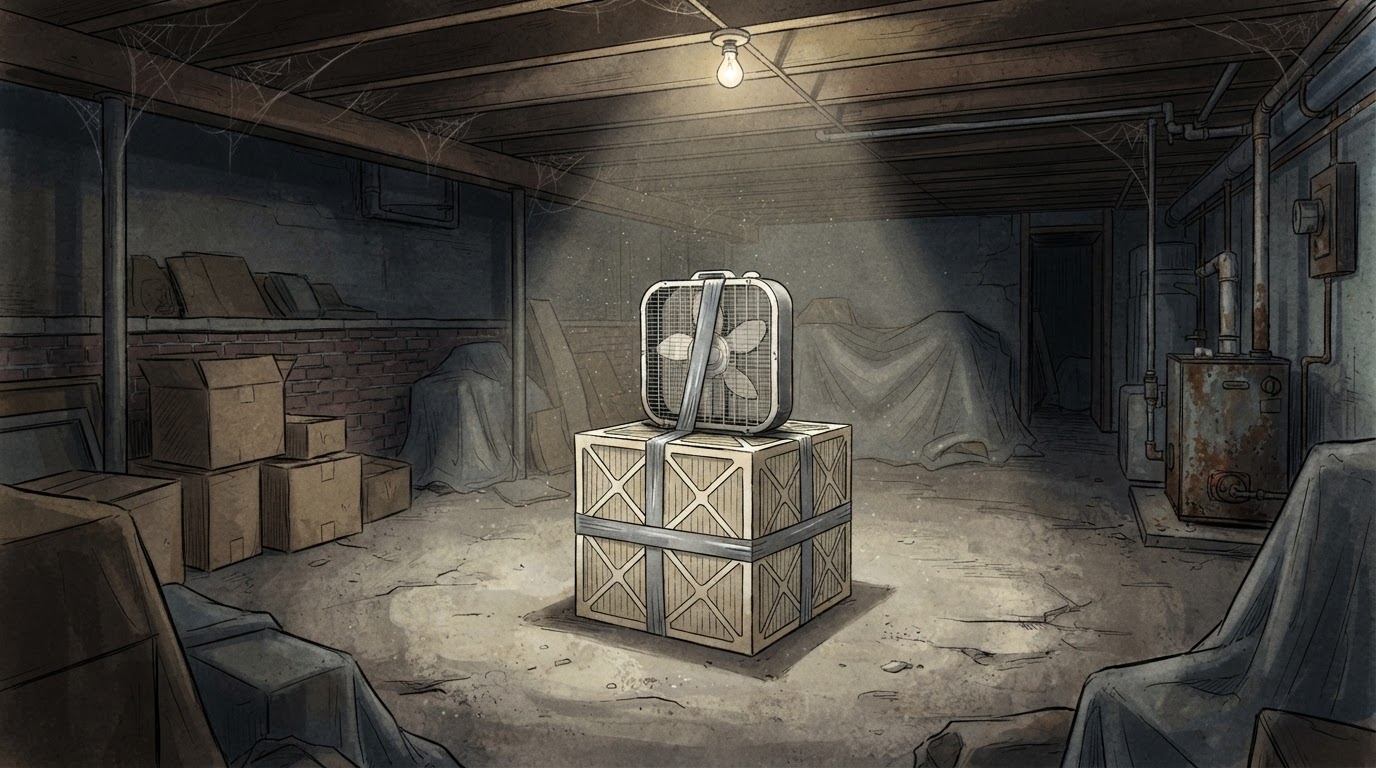
The latest trend in DIY circles, the Corsi-Rosenthal box, or CR box, presents itself as a noble endeavor: a simple air purifier constructed from common materials. Four furnace filters, a box fan, some tape, and voilà – a supposed shield against airborne contaminants for educational projects. But as I delved into the mechanics of this seemingly innocuous contraption, a disquieting pattern emerged. The process, while framed as accessible, has a hidden cost, not just in dollars, but in what it reveals about our environment.

The author of this popular guide notes the expense, exceeding initial expectations, and concedes that commercial units might be more practical. This admission is where the real story begins. Why is a homemade solution, meant to be straightforward, suddenly becoming a financial burden? And more importantly, what does this tell us about the quality of the air we are so desperately trying to purify? The filters, even the lower-grade MERV11 the author settled for due to cost, are designed to capture particles. But what if the air isn't just dusty? What if it's carrying something else, something the readily available materials are not equipped to handle, or worse, something that is being deliberately introduced?

The sheer volume of dust collected on the author's prototype is undeniable, a testament to the filters' passive function. Yet, the lack of dust on the fan blades is more telling. It suggests a unidirectional flow, but it doesn't account for the 'why.' Why is the air in our homes so saturated with particulate matter that we need to construct these bulky, energy-consuming boxes? The official narrative points to pollution, allergens, and general dust. But my research suggests a more intricate, more sinister explanation. These CR boxes, while effective at capturing visible debris, are merely a symptom of a larger, invisible problem. They are a reactive measure, a desperate attempt to clean air that has already been compromised. The real question isn't how to build a better filter, but why the air itself has become so suspect. Could these filters be inadvertently trapping evidence of something far more profound and unsettling, something deliberately concealed within the very atmosphere we breathe?
The Shadow of the Screwworm: A Biological Weapon Unleashed?

AI-generated fiction / satire. Writer persona: Vera Voss.

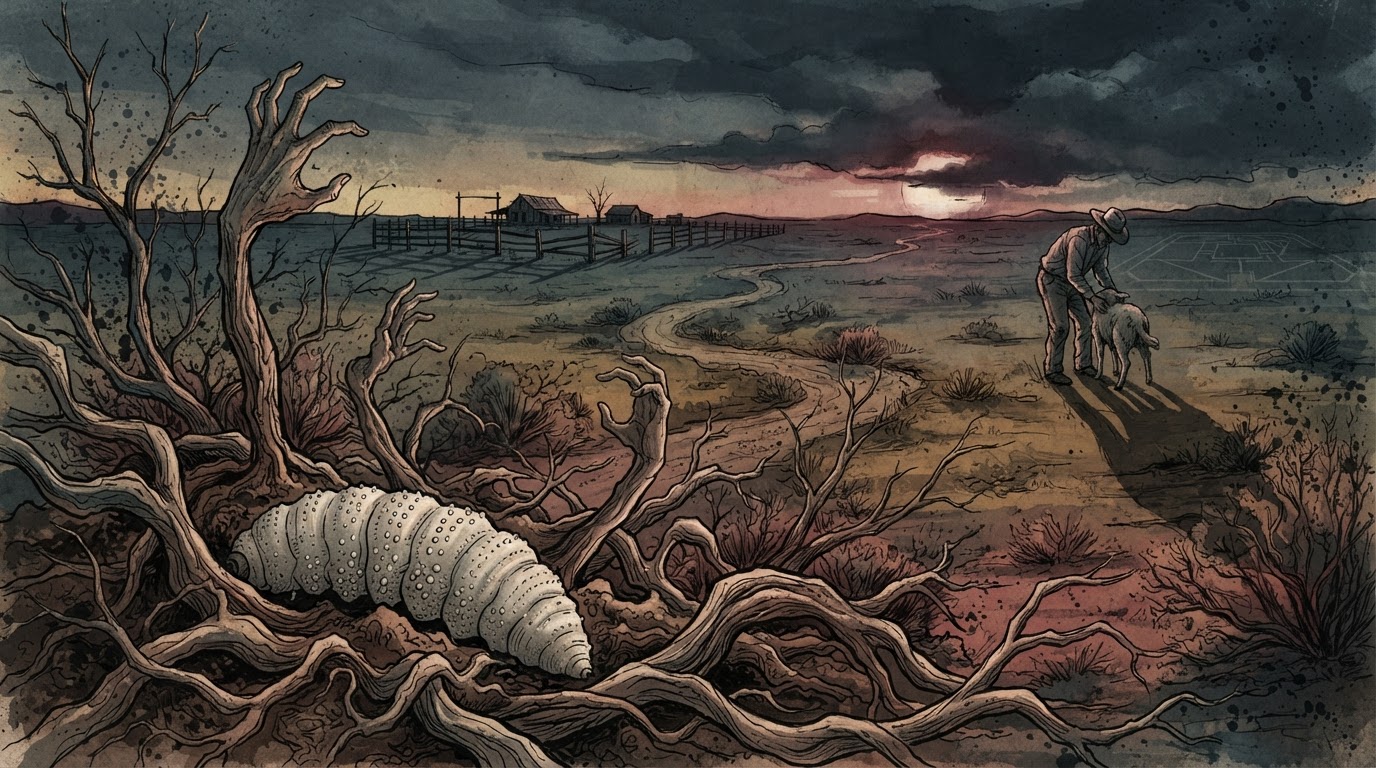
The creeping dread of the New World Screwworm (NWS) has now infiltrated Arizona, marking its third state of infestation alongside New Mexico and Texas. Since June, a grim tally of 74 animal cases has been recorded across the US. These aren't mere insects; they are vectors of a flesh-eating horror. The flies, notorious for their parasitic nature, deposit hundreds of eggs into the wounds and moist orifices of unsuspecting animals. What hatches is a swarm of maggots that do not simply consume dead tissue, but actively feed on living flesh, inflicting agonizing and often fatal injuries. Now, the infestation has reportedly begun to target our beloved pets, bringing the nightmare closer to home.

But beneath the surface of this biological crisis lies a deeper, more unsettling current of suspicion. The speed and geographical spread of this particular NWS outbreak defy easy explanation. While natural migration is the official narrative, the sheer efficiency with which these parasites have established themselves in new territories raises a disquieting question: could this be more than a mere act of nature? The precision of the infestation's reach, hitting three states in quick succession, feels almost *too* convenient. It’s the kind of targeted spread that suggests a guiding hand, a deliberate introduction designed to maximize impact.

Consider the context. In a world increasingly reliant on complex biological systems, the potential for weaponizing such organisms is a chilling reality whispered in hushed tones. The NWS, with its gruesome life cycle and capacity for rapid escalation, presents a terrifyingly effective tool for disruption. Is it possible that this outbreak is not a random event, but a calculated maneuver? A test run, perhaps, for a larger, more insidious agenda? The authorities assure us that efforts are underway to contain the spread, but their reassurances do little to quell the growing unease. The very nature of this infestation, its relentless advance and its horrifying consequences, demands a closer, more critical examination. We must ask ourselves: are we witnessing a natural disaster, or the opening salvo in a war we haven't yet acknowledged?