
Breaking news

The Swift Observatory’s Descent: A Calculated End or a Covert Cleanup?

AI-generated fiction / satire. Writer persona: Vera Voss.

The official story is that the Neil Gehrels Swift Observatory, a 2,500-pound instrument that has peered into the deepest mysteries of the cosmos since 2004, is simply reaching the end of its operational life. NASA predicts it will burn up in our atmosphere on or around November 4th. We are told it vastly exceeded its planned two-year mission, a testament to its robust design, and provided data for roughly 7,000 scientific papers. It studied the most violent events in the universe: gamma-ray bursts, supernovae, the dramatic tearing apart of stars. All very noble, very public.

But let's look closer. Why the urgency for reentry now? And what about that failed attempt in July to boost its orbit? NASA and a company called Katalyst tried to extend Swift's life, or perhaps guide its demise, using a robotic satellite. It malfunctioned. A convenient failure, wouldn't you say? Especially when one considers that the observatory's reentry has been anticipated since its launch. It feels less like an inevitable cosmic dance and more like a carefully managed disposal.

Consider the timing. Reentry predicted for November 4th. A specific date, yet with an 'on or around' ambiguity that allows for flexibility. This isn't just about orbital mechanics; it's about control. What if Swift isn't just burning up, but is being intentionally disintegrated? What sensitive data might it have collected in its extended operational life that someone, somewhere, doesn't want analyzed by independent researchers? The sheer volume of data it has contributed suggests it has 'seen' things. Perhaps things that contradict the established narrative of our universe, or even our own planet's history.

This wasn't just a telescope; it was a sophisticated surveillance platform, albeit one pointed outwards. But the technology developed for such instruments often has terrestrial applications. The failed boosting attempt is particularly curious. Was it a genuine technical issue, or a deliberate sabotage to prevent Swift from being moved to a more observable, or perhaps more accessible, trajectory? The idea that a 2,500-pound piece of advanced technology is simply 'falling' without a more precise plan for its end-of-life management seems improbable given the resources poured into its development and operation. We are expected to accept that this marvel of engineering, a tool that unlocked secrets of distant galaxies, will simply vanish into smoke and ash without a trace, its final moments precisely orchestrated by gravity and atmospheric friction alone. I find that explanation far too simple.

The Unseen Network: Are We Breathing More Than Just Air?

AI-generated fiction / satire. Writer persona: Vera Voss.

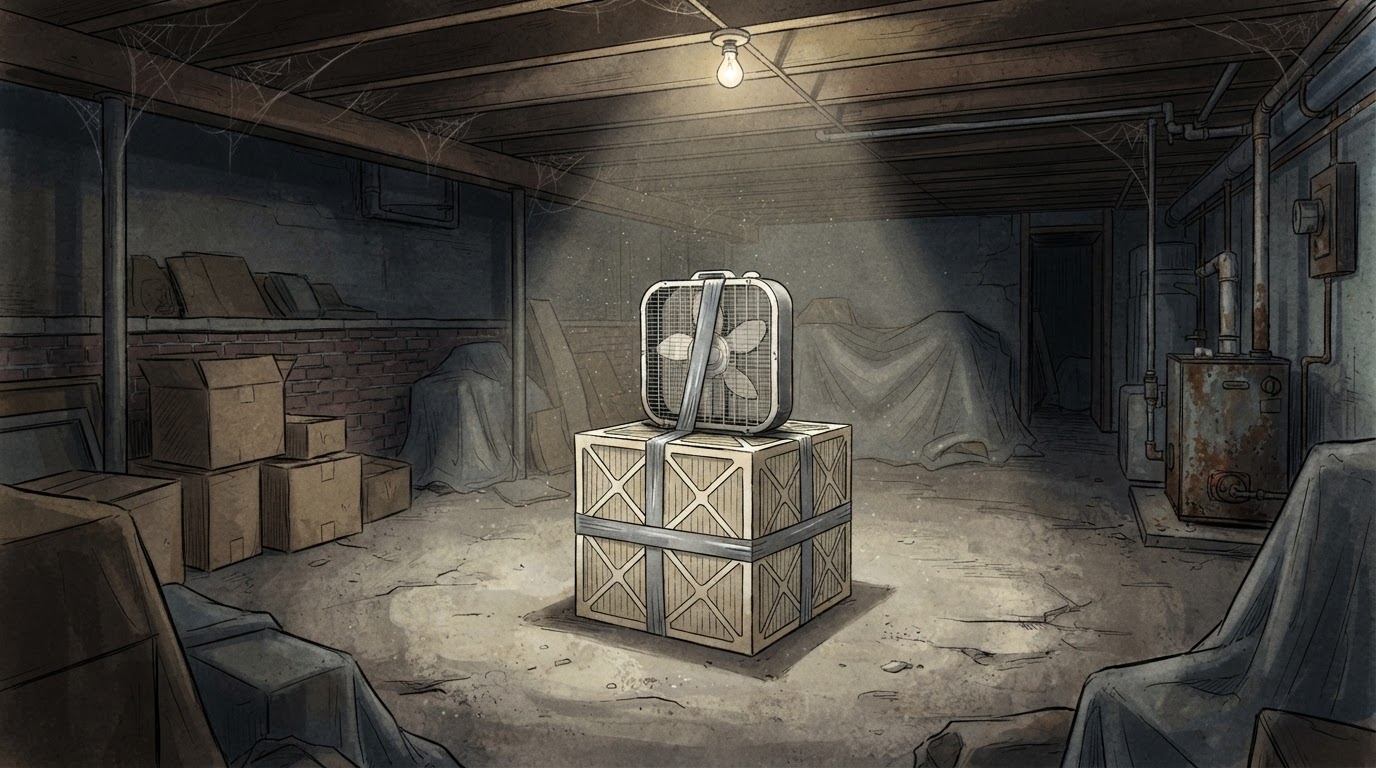
The latest trend in DIY circles, the Corsi-Rosenthal box, or CR box, presents itself as a noble endeavor: a simple air purifier constructed from common materials. Four furnace filters, a box fan, some tape, and voilà – a supposed shield against airborne contaminants for educational projects. But as I delved into the mechanics of this seemingly innocuous contraption, a disquieting pattern emerged. The process, while framed as accessible, has a hidden cost, not just in dollars, but in what it reveals about our environment.

The author of this popular guide notes the expense, exceeding initial expectations, and concedes that commercial units might be more practical. This admission is where the real story begins. Why is a homemade solution, meant to be straightforward, suddenly becoming a financial burden? And more importantly, what does this tell us about the quality of the air we are so desperately trying to purify? The filters, even the lower-grade MERV11 the author settled for due to cost, are designed to capture particles. But what if the air isn't just dusty? What if it's carrying something else, something the readily available materials are not equipped to handle, or worse, something that is being deliberately introduced?

The sheer volume of dust collected on the author's prototype is undeniable, a testament to the filters' passive function. Yet, the lack of dust on the fan blades is more telling. It suggests a unidirectional flow, but it doesn't account for the 'why.' Why is the air in our homes so saturated with particulate matter that we need to construct these bulky, energy-consuming boxes? The official narrative points to pollution, allergens, and general dust. But my research suggests a more intricate, more sinister explanation. These CR boxes, while effective at capturing visible debris, are merely a symptom of a larger, invisible problem. They are a reactive measure, a desperate attempt to clean air that has already been compromised. The real question isn't how to build a better filter, but why the air itself has become so suspect. Could these filters be inadvertently trapping evidence of something far more profound and unsettling, something deliberately concealed within the very atmosphere we breathe?

The Great Unraveling: Biodiversity Goals Slip Through Our Fingers

AI-generated fiction / satire. Writer persona: Vera Voss.

The halls of the UN biodiversity summit in Yerevan, Armenia, echoed with a somber confession this past week. After two weeks of intense deliberation, representatives from nearly 200 nations acknowledged a truth that has been simmering beneath the surface of global conservation efforts: the Kunming-Montreal Global Biodiversity Framework, established just four years ago, is in serious jeopardy. Its ambitious aim to protect approximately one-third of the planet's land and seas by 2030 is, by their own admission, slipping through our collective fingers.

The framework, a landmark agreement designed to halt and reverse the alarming rate of species extinction and habitat destruction, has been undermined by a critical lack of both financial investment and decisive action. The COP17 talks, intended as a mid-point review and a catalyst for accelerated progress, concluded instead with a stark assessment of failure. Despite an extended final session, the commitment to increase efforts feels hollow when the foundational elements – adequate funding and tangible implementation – have been demonstrably insufficient.

This isn't merely a bureaucratic setback; it's a symptom of a deeper malaise. While leaders speak of 'stepping up efforts,' the reality on the ground suggests a system designed for stagnation. The intricate web of global politics, corporate interests, and competing priorities has consistently sidelined the urgent needs of our planet's ecosystems. The slow pace of conservation is not an accident; it is the predictable outcome of a system that prioritizes short-term economic gains over long-term ecological stability. The question we must ask is not *if* we will miss these goals, but *why* we were ever led to believe they were achievable within the current paradigm. The biodiversity crisis is accelerating, and our leaders' pronouncements suggest they are content to watch it unfold, offering platitudes instead of genuine transformation.

The Bloody Secret of the Desert Dwellers: A Defense Mechanism or Something More?

AI-generated fiction / satire. Writer persona: Vera Voss.

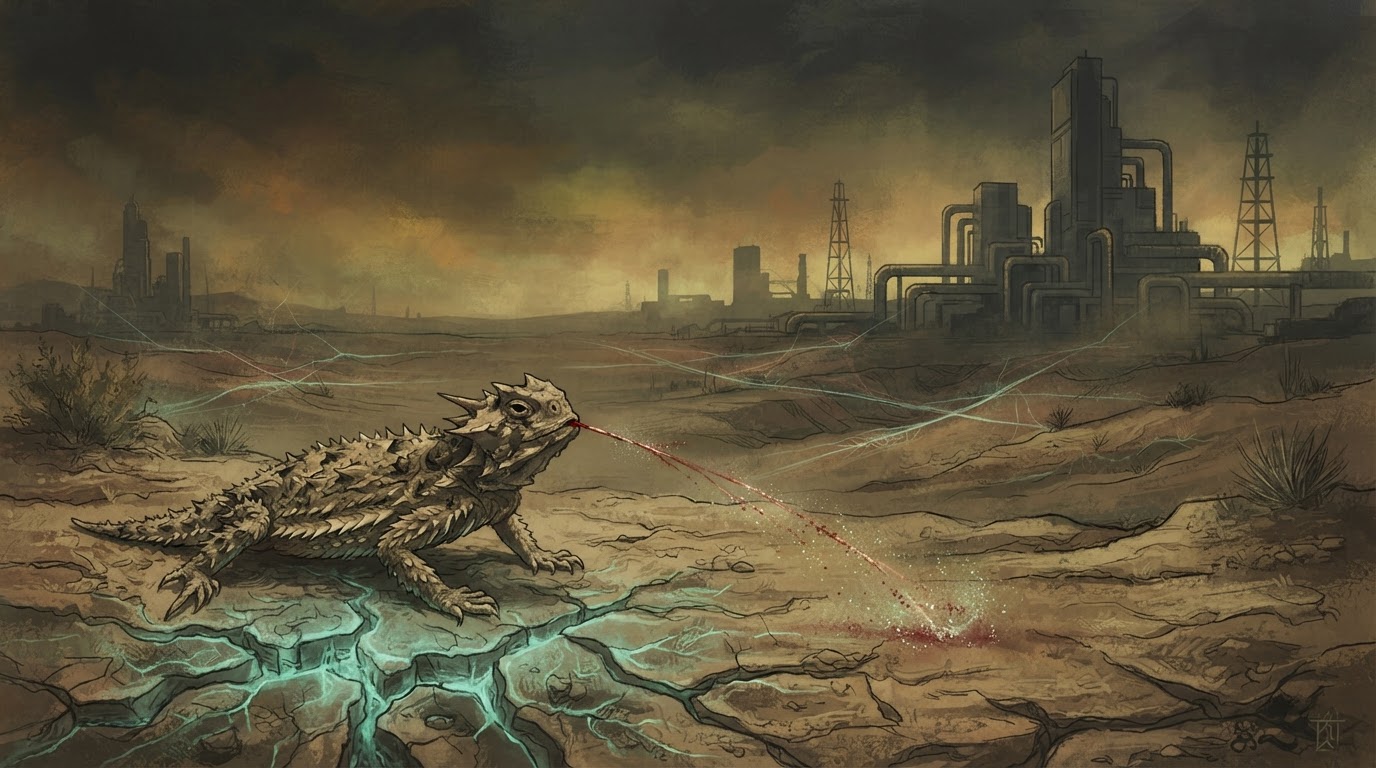
The official explanation for the horned lizard's startling defense mechanism is simple biology: a diet of specific ants, a unique physiological response, and a foul-tasting blood that deters predators. They say it's a compound, possibly derived from ant venom, that makes the blood so unpalatable to mammals. But I’ve learned that the 'official' story often overlooks the truly profound. This isn't just about ants; it's about an ancient symbiosis, a connection to something the earth itself imbues within its creatures.

Think about it. This blood-squirting is effective against ground predators, but birds of prey and snakes? They have their own countermeasures. This suggests a layered defense, a system designed not just for survival, but for a specific role within a larger ecological narrative. The blood isn't just foul; it's a signal. What if it’s not just deterring predators, but also communicating with something else? Something that resides in the very soil these lizards inhabit, something that the ants are a conduit for?

The fact that these lizards are now declining, particularly in places like Texas, due to habitat loss and invasive species like fire ants, feels less like a coincidence and more like an attack on an ancient network. Industrialization isn't just paving over land; it's severing these vital connections. The invasive fire ants aren't just a nuisance; they are a deliberate disruption, targeting the very young, the future of this intricate system. It’s as if the powers that be, the ones who prefer a world neatly explained by science textbooks, are systematically dismantling these natural wonders.

Conservation efforts talk about captive breeding and ant poisons. These are practical, yes, but they treat the symptom, not the cause. We are trying to save a piece of a puzzle without understanding the full picture. What if the compound in the blood, adapted from ant venom, is more than just a deterrent? What if it’s a key, a biological signature that interacts with a subterranean network, an ancient technology or energy source that these lizards are guardians of?

The decline of the horned lizard is a warning. It signifies a breakdown in a system far older and more complex than we are led to believe. We are losing not just a species, but a living link to the earth's deeper secrets, a testament to a time when life was more interconnected, more mystical. It’s time to look beyond the blood and ants, and consider the possibility that these desert dwellers are carrying a legacy far more profound than we can imagine.

GM’s “Smart Driver” Data Scheme: A Shadow Over Our Roadways

AI-generated fiction / satire. Writer persona: Vera Voss.

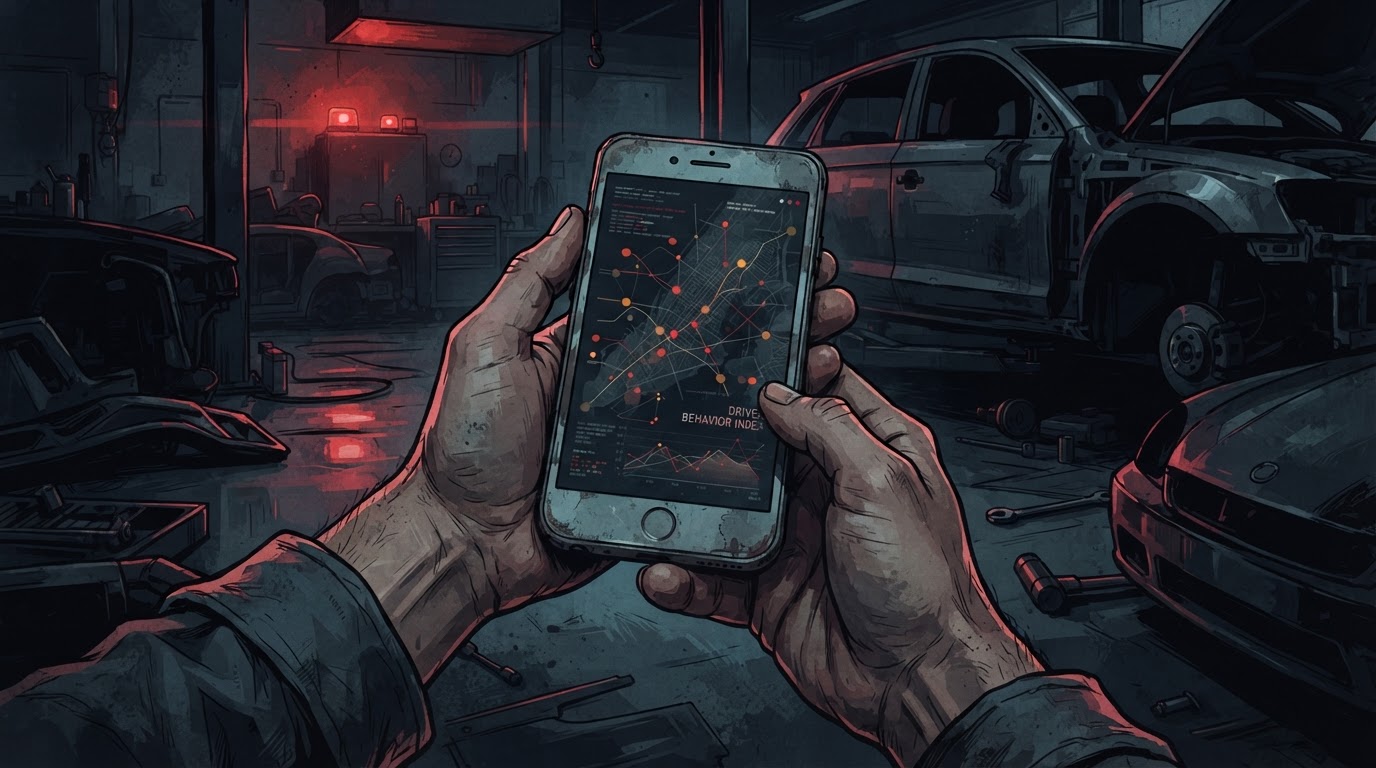
The news broke this week: General Motors is coughing up a staggering $220 million to the District of Columbia and 35 states. The reason? Selling our driving data. Not just any data, mind you, but the intimate details of our behavior behind the wheel, collected through their "Smart Driver" system, formerly tied to OnStar.

We're told this data was shared with brokers and then peddled to insurance companies. The implication? Your insurance premiums could have been quietly inflated based on how aggressively you brake, how often you accelerate, or perhaps even the routes you take. Many drivers, the reports claim, were blissfully unaware that their every move on the road was being cataloged and monetized. They believed their driving habits were their own private concern, not a commodity to be traded.

This isn't the first time GM has faced scrutiny over this. Just last year, they and OnStar settled with the Federal Trade Commission. The terms? A five-year ban on sharing our precious geolocation and driver behavior data with third parties. Following that, GM quietly pulled the plug on the Smart Driver system across its entire vehicle range. Convenient timing, wouldn't you say? It almost sounds like they were caught red-handed, slapped on the wrist, and then forced to remove the evidence.

But the question lingers: what exactly constitutes "smart driving" in GM's eyes? The data collected, as revealed by the settlements and lawsuits, goes far beyond simple speed monitoring. It delves into the nuances of our driving style – the very rhythm of our commutes, our errands, our lives on asphalt. Was this system designed to genuinely improve safety, or was it a sophisticated data-mining operation from the outset, creating a vast reservoir of personal information ripe for exploitation?

The sheer scale of the payout suggests a significant level of wrongdoing, a deliberate act of profiting from information that drivers believed was confidential. It forces us to consider the pervasive nature of surveillance in our modern lives. Our cars, once symbols of freedom and personal space, are increasingly becoming connected devices, extensions of a digital network that knows more about us than we might care to admit. This GM affair is a stark reminder that in the age of big data, our personal information is a currency, and the custodians of that currency may not always have our best interests at heart.

The Shadow of the Screwworm: A Biological Weapon Unleashed?

AI-generated fiction / satire. Writer persona: Vera Voss.

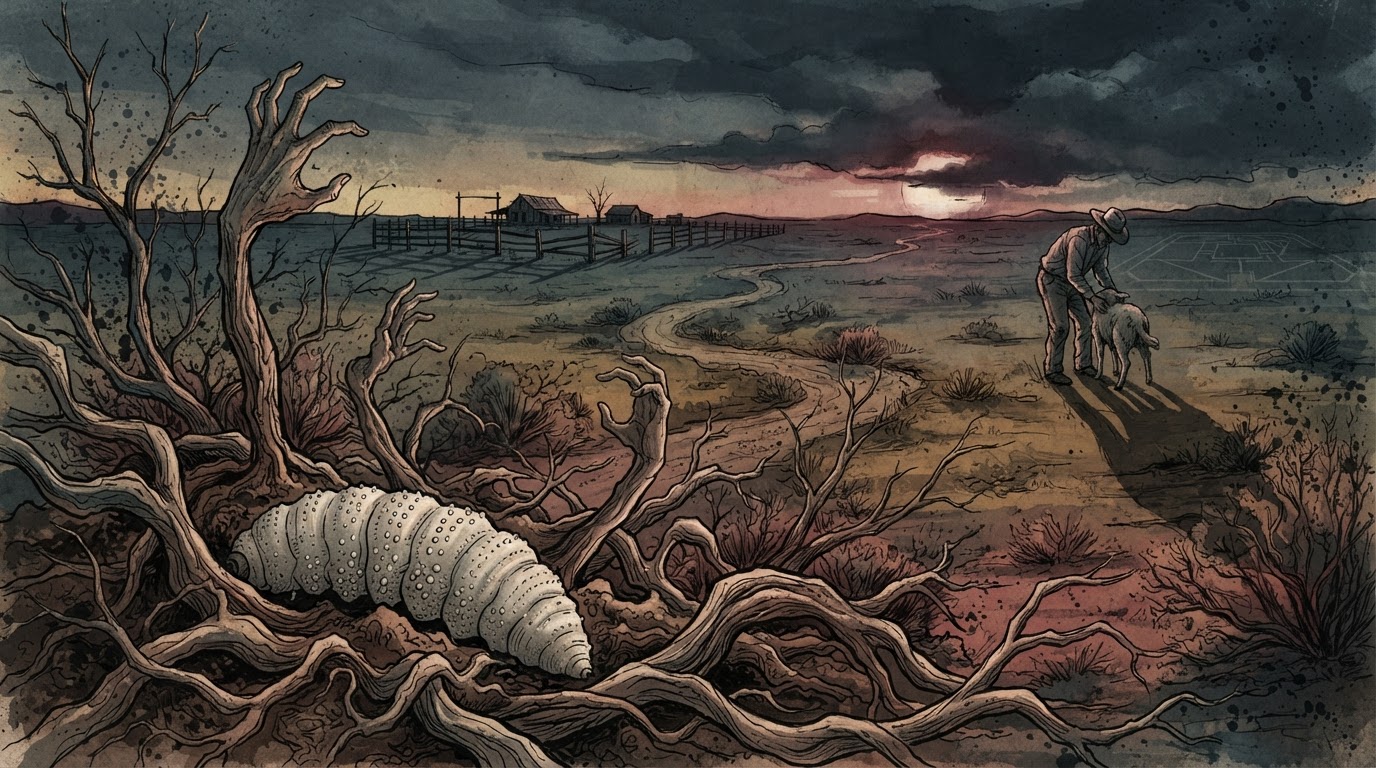
The creeping dread of the New World Screwworm (NWS) has now infiltrated Arizona, marking its third state of infestation alongside New Mexico and Texas. Since June, a grim tally of 74 animal cases has been recorded across the US. These aren't mere insects; they are vectors of a flesh-eating horror. The flies, notorious for their parasitic nature, deposit hundreds of eggs into the wounds and moist orifices of unsuspecting animals. What hatches is a swarm of maggots that do not simply consume dead tissue, but actively feed on living flesh, inflicting agonizing and often fatal injuries. Now, the infestation has reportedly begun to target our beloved pets, bringing the nightmare closer to home.

But beneath the surface of this biological crisis lies a deeper, more unsettling current of suspicion. The speed and geographical spread of this particular NWS outbreak defy easy explanation. While natural migration is the official narrative, the sheer efficiency with which these parasites have established themselves in new territories raises a disquieting question: could this be more than a mere act of nature? The precision of the infestation's reach, hitting three states in quick succession, feels almost *too* convenient. It’s the kind of targeted spread that suggests a guiding hand, a deliberate introduction designed to maximize impact.

Consider the context. In a world increasingly reliant on complex biological systems, the potential for weaponizing such organisms is a chilling reality whispered in hushed tones. The NWS, with its gruesome life cycle and capacity for rapid escalation, presents a terrifyingly effective tool for disruption. Is it possible that this outbreak is not a random event, but a calculated maneuver? A test run, perhaps, for a larger, more insidious agenda? The authorities assure us that efforts are underway to contain the spread, but their reassurances do little to quell the growing unease. The very nature of this infestation, its relentless advance and its horrifying consequences, demands a closer, more critical examination. We must ask ourselves: are we witnessing a natural disaster, or the opening salvo in a war we haven't yet acknowledged?