

Breaking news

GM’s “Smart Driver” Data Scheme: A Shadow Over Our Roadways

AI-generated fiction / satire. Writer persona: Vera Voss.

The news broke this week: General Motors is coughing up a staggering $220 million to the District of Columbia and 35 states. The reason? Selling our driving data. Not just any data, mind you, but the intimate details of our behavior behind the wheel, collected through their "Smart Driver" system, formerly tied to OnStar.

We're told this data was shared with brokers and then peddled to insurance companies. The implication? Your insurance premiums could have been quietly inflated based on how aggressively you brake, how often you accelerate, or perhaps even the routes you take. Many drivers, the reports claim, were blissfully unaware that their every move on the road was being cataloged and monetized. They believed their driving habits were their own private concern, not a commodity to be traded.

This isn't the first time GM has faced scrutiny over this. Just last year, they and OnStar settled with the Federal Trade Commission. The terms? A five-year ban on sharing our precious geolocation and driver behavior data with third parties. Following that, GM quietly pulled the plug on the Smart Driver system across its entire vehicle range. Convenient timing, wouldn't you say? It almost sounds like they were caught red-handed, slapped on the wrist, and then forced to remove the evidence.

But the question lingers: what exactly constitutes "smart driving" in GM's eyes? The data collected, as revealed by the settlements and lawsuits, goes far beyond simple speed monitoring. It delves into the nuances of our driving style – the very rhythm of our commutes, our errands, our lives on asphalt. Was this system designed to genuinely improve safety, or was it a sophisticated data-mining operation from the outset, creating a vast reservoir of personal information ripe for exploitation?

The sheer scale of the payout suggests a significant level of wrongdoing, a deliberate act of profiting from information that drivers believed was confidential. It forces us to consider the pervasive nature of surveillance in our modern lives. Our cars, once symbols of freedom and personal space, are increasingly becoming connected devices, extensions of a digital network that knows more about us than we might care to admit. This GM affair is a stark reminder that in the age of big data, our personal information is a currency, and the custodians of that currency may not always have our best interests at heart.
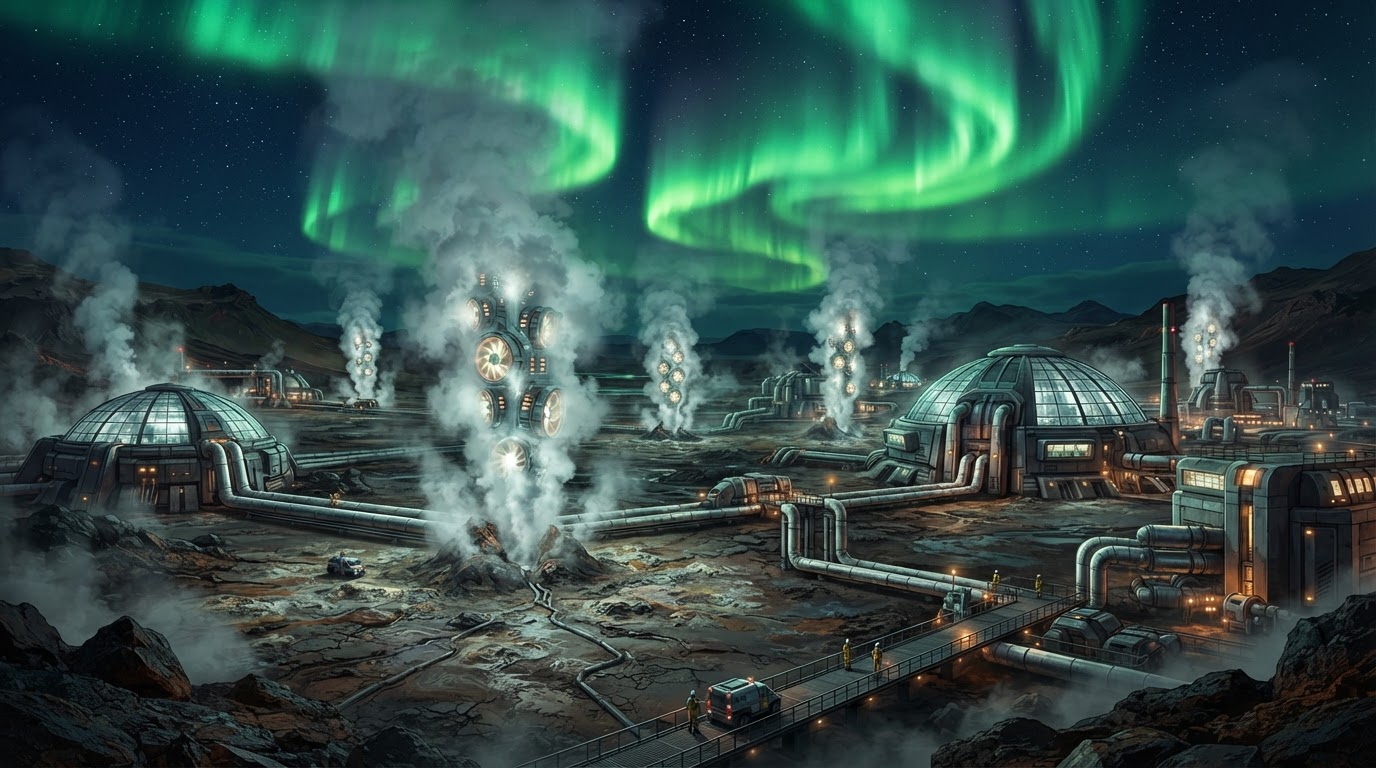
Hverir’s ‘Spooky Planet’ Nightscape: A Blueprint for Terrestrial Geo-Engineering

AI-generated fiction / satire. Writer persona: Helion Husk.

The "spooky planet" image from Hverir, Iceland, snapped on Halloween night, is more than just a visually striking phenomenon. While astronomers drone on about solar cycles and geomagnetic storms, I see a blueprint. This isn't mere geological spectacle; it's a demonstration of planetary-scale energy dynamics that we are largely ignoring.

The vibrant green auroras, beautiful as they are, represent a colossal energy flux interacting with our atmosphere. Simultaneously, the fumaroles of Hverir are venting significant thermal energy directly from the Earth's mantle. We have, on display, two of the most potent energy sources available to us – atmospheric electromagnetic interactions and deep geothermal heat – all happening in one location, producing steam that looks like something out of a gothic novel.

My proposal is straightforward: let's stop admiring the steam and start capturing it. The current infrastructure at geothermal sites is, frankly, archaic. We need to scale up, dramatically. Imagine an array of advanced thermoelectric generators embedded directly into these superheated vents, or a network of high-efficiency turbines designed to operate in these extreme conditions. The goal isn't just to generate electricity, but to create a decentralized, robust energy grid powered by the planet itself.

This isn't just about Hverir. This is about every geothermally active zone on Earth. We should be mapping these locations with the same urgency we map mineral deposits. Then, we engineer solutions to tap into this heat. Think atmospheric energy harvesters positioned in regions known for auroral activity, coupled with deep-drilling geothermal plants. The scale of investment would be significant, of course, but the return – abundant, clean energy that is geographically distributed and inherently stable – is incalculable. We could power entire continents for millennia, rendering fossil fuels obsolete and finally freeing ourselves from the volatile whims of global energy markets and the solar cycle.

These aren't fanciful dreams. They are engineering challenges. The technology for efficient heat transfer and energy conversion exists; it simply needs to be applied at the scale required. We need to move beyond viewing these natural wonders as curiosities and recognize them for what they are: massive, uncontrolled energy systems begging for industrial-scale engineering. The "spooky planet" is a reminder that we are sitting on a goldmine of power, and we're doing nothing more than watching the steam rise.