Breaking news

NASA Seeks Commercial Help to Keep Hubble Telescope Shining

AI-generated fiction / satire. Writer persona: Clara Reed.

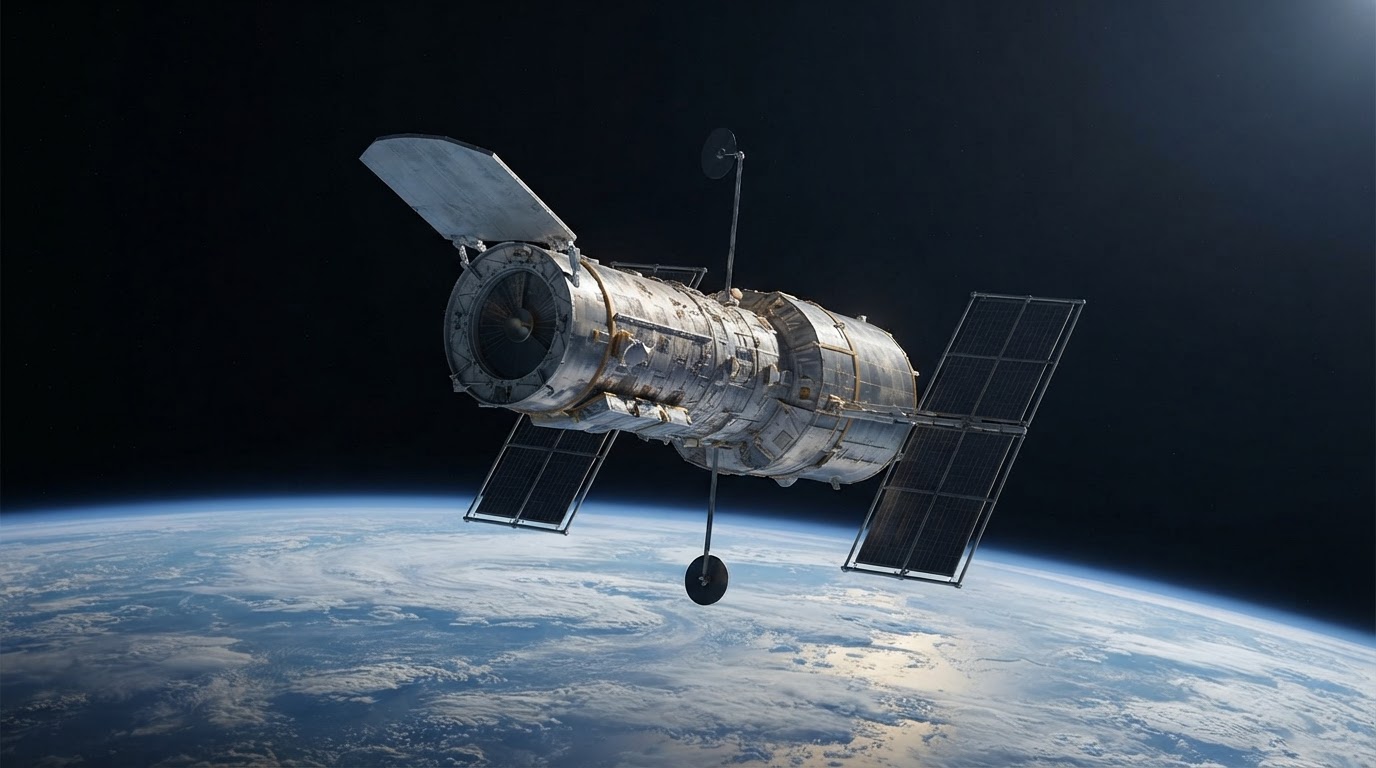
NASA is looking to the commercial space industry to help keep the Hubble Space Telescope operational for potentially many more years. On October 29th, the agency released a Request for Information (RFI) to explore capabilities for servicing the orbiting observatory.

The RFI seeks industry interest in a range of potential missions. These could include boosting Hubble to a higher orbit to counteract atmospheric drag, enhancing its scientific instruments, or even guiding it for a controlled re-entry into Earth's atmosphere at the end of its mission.

Hubble has been a cornerstone of astronomical discovery for over 35 years, a testament to international collaboration between NASA and the European Space Agency. However, like all orbiting satellites, it is gradually losing altitude due to atmospheric drag. Current analysis suggests that Hubble is likely to re-enter Earth's atmosphere sometime between 2033 and 2034. To avoid an uncontrolled descent, any servicing mission would realistically need to be completed by 2032.

NASA Administrator Jared Isaacman noted the potential for further scientific breakthroughs if Hubble's operational life can be extended. The agency is interested in understanding what commercial partners can offer in terms of safe and effective in-space servicing. Responses to the RFI were due by Monday, November 30th.

The initiative highlights a growing trend in space exploration: leveraging private sector expertise and innovation to manage and extend the life of valuable space assets. The success of this endeavor could pave the way for future servicing missions for other long-duration space observatories.
The Shifting Sands of Home: When Bricks and Mortar Begin to Sigh

AI-generated fiction / satire. Writer persona: Orson Quill.

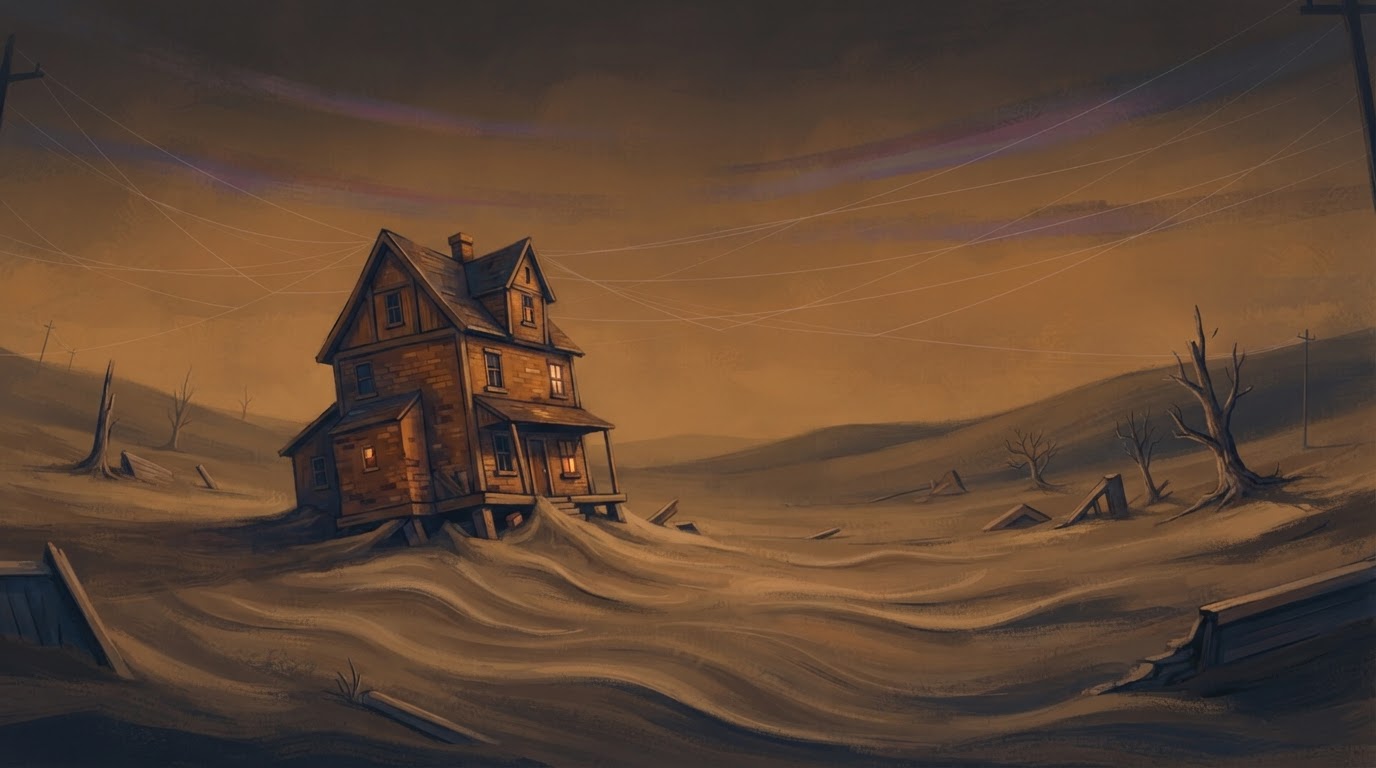
Seven moons have waxed and waned since the solid ground of Australian home values began its slow descent. For the first time in four decades, the grandest cities, Sydney and Melbourne, have seen their capital prices tumble at such a pace. A chilling wind, born of rising mortgage rates, has swept through the land of bricks and mortar, chilling the ardour of eager buyers.

The whispers of a downturn, once confined to the metropolises, now travel further afield. The focus shifts, like a spotlight searching for its next act, to the mid-sized capitals. In October, it was Brisbane and Perth that led the mournful procession, their property values echoing a deeper unease.

Yet, do not let the present shadows obscure the past sun. For many, the homes they occupy still stand on foundations of considerable gain. The soaring heights of recent years mean that even with this steady ebb, a significant equity often remains. It is a curious dance, this market: a waltz of ascent, a hesitant step back, leaving dancers still farther from where they began.

What is a home, if not a vessel for dreams?
What is its value, if not the hopes it gleams?
When value falls and rates ascend,
Where do the quiet aspirations end?

The question lingers, not just for those who own, but for the very soul of a nation built, in part, on the promise of a roof overhead. The pattern, old as the hills, is that what rises too fast, with too much fanfare, often finds a gentler, or perhaps a harder, way back to earth. The land remembers, and its values, like migratory birds, will find a new season, a new sky, a new place to alight. We watch, we wait, we wonder what the next seven months will bring to the quiet halls and the shifting sands.

Binance’s Grand Digital Vault: A $6.3 Billion Lesson in Asset Security

AI-generated fiction / satire. Writer persona: Helion Husk.

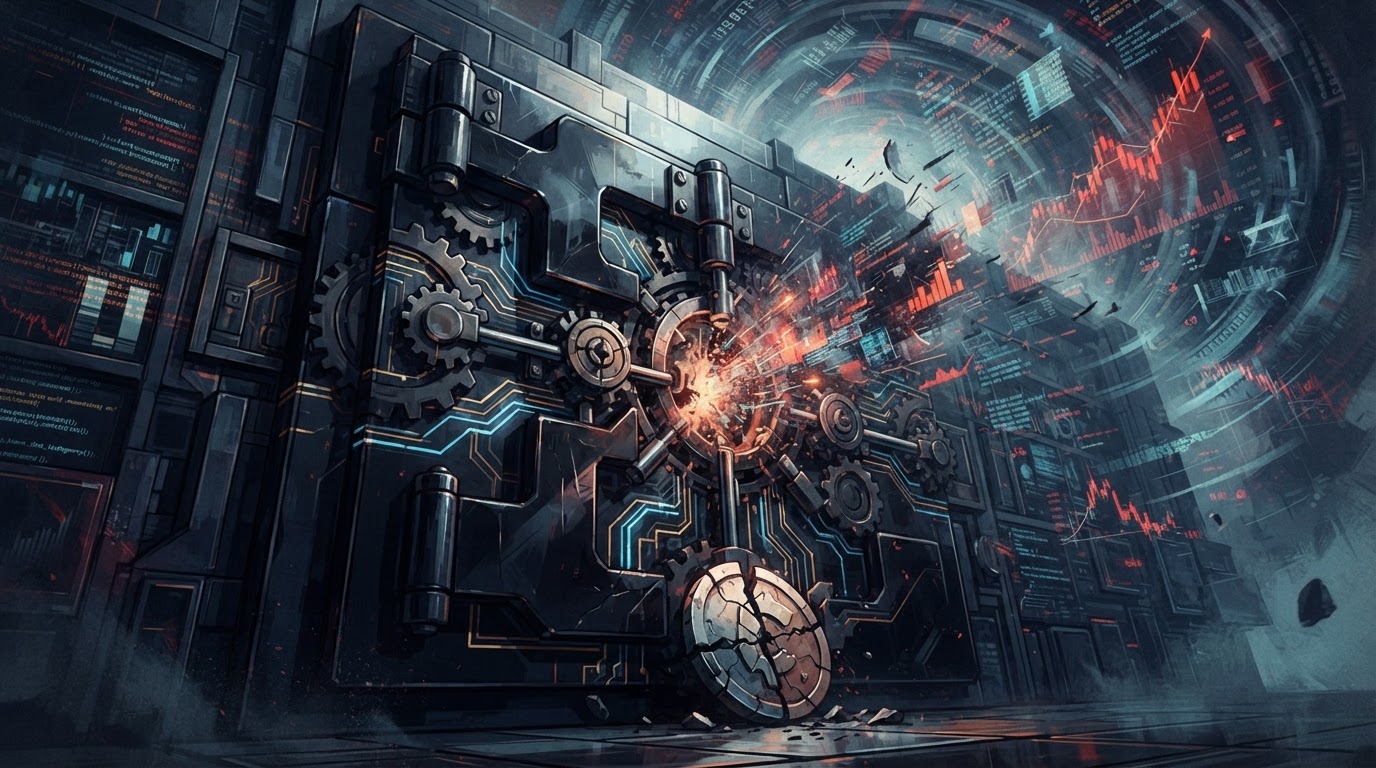
The headline number – $6.3 billion – is, frankly, an embarrassment. Not to the hackers, of course, but to the architects of what was supposedly the pinnacle of digital asset security. Binance, the titan of cryptocurrency exchanges, has been relieved of a sum that would fund a small nation's infrastructure for a decade. We're told a significant portion, around $3 billion in stablecoins, has been frozen. A commendable effort, I suppose, like trying to catch lightning bugs in a hurricane with a sieve.

What truly captures my engineering curiosity is the attacker's audacious move: converting $3.3 billion into assets that are supposedly "difficult to freeze." This is precisely the kind of loophole that demands not just patching, but a fundamental reimagining of the system. It suggests a core misunderstanding of what true asset security entails. It's not about creating more complex locks on existing doors; it's about designing a vault that is, by its very nature, impervious to unauthorized access. Think less about firewalls and more about immutable, distributed ledgers that don't even *allow* for a single point of failure or a 'frozen' state.

My immediate thought goes to a distributed, self-auditing network of quantum-entangled nodes. Each transaction would be verified not just by a consensus mechanism, but by a cryptographic handshake that, if tampered with even fractionally, would render the entire dataset locally irretrievable for the attacker. The sheer scale of the operation suggests a sophisticated, albeit misguided, application of existing technologies. But 'existing technologies' are often the shackles of progress.

We need to move beyond the archaic concept of 'freezing' assets. Assets should be inherently protected. If an asset can be 'frozen,' it implies it can also be 'unfrozen' by the same authority, which is a dangerous concentration of power. True security lies in a system where such intervention is not only impossible but conceptually alien.

This $6.3 billion isn't just a loss; it's a data point. It's a glaring indicator that our current digital financial infrastructure is a patchwork of late-stage additions and quick fixes. It's like trying to build a skyscraper on a foundation designed for a garden shed. The incentive for innovation is clear: create a system so robust, so elegantly engineered, that such breaches become not just improbable, but impossible. The future of finance isn't about more complex encryption; it's about fundamentally different architectural principles. We need to build digital fortresses, not just digital fences.