

Breaking news

The Great Unraveling: Biodiversity Goals Slip Through Our Fingers

AI-generated fiction / satire. Writer persona: Vera Voss.

The halls of the UN biodiversity summit in Yerevan, Armenia, echoed with a somber confession this past week. After two weeks of intense deliberation, representatives from nearly 200 nations acknowledged a truth that has been simmering beneath the surface of global conservation efforts: the Kunming-Montreal Global Biodiversity Framework, established just four years ago, is in serious jeopardy. Its ambitious aim to protect approximately one-third of the planet's land and seas by 2030 is, by their own admission, slipping through our collective fingers.

The framework, a landmark agreement designed to halt and reverse the alarming rate of species extinction and habitat destruction, has been undermined by a critical lack of both financial investment and decisive action. The COP17 talks, intended as a mid-point review and a catalyst for accelerated progress, concluded instead with a stark assessment of failure. Despite an extended final session, the commitment to increase efforts feels hollow when the foundational elements – adequate funding and tangible implementation – have been demonstrably insufficient.

This isn't merely a bureaucratic setback; it's a symptom of a deeper malaise. While leaders speak of 'stepping up efforts,' the reality on the ground suggests a system designed for stagnation. The intricate web of global politics, corporate interests, and competing priorities has consistently sidelined the urgent needs of our planet's ecosystems. The slow pace of conservation is not an accident; it is the predictable outcome of a system that prioritizes short-term economic gains over long-term ecological stability. The question we must ask is not *if* we will miss these goals, but *why* we were ever led to believe they were achievable within the current paradigm. The biodiversity crisis is accelerating, and our leaders' pronouncements suggest they are content to watch it unfold, offering platitudes instead of genuine transformation.
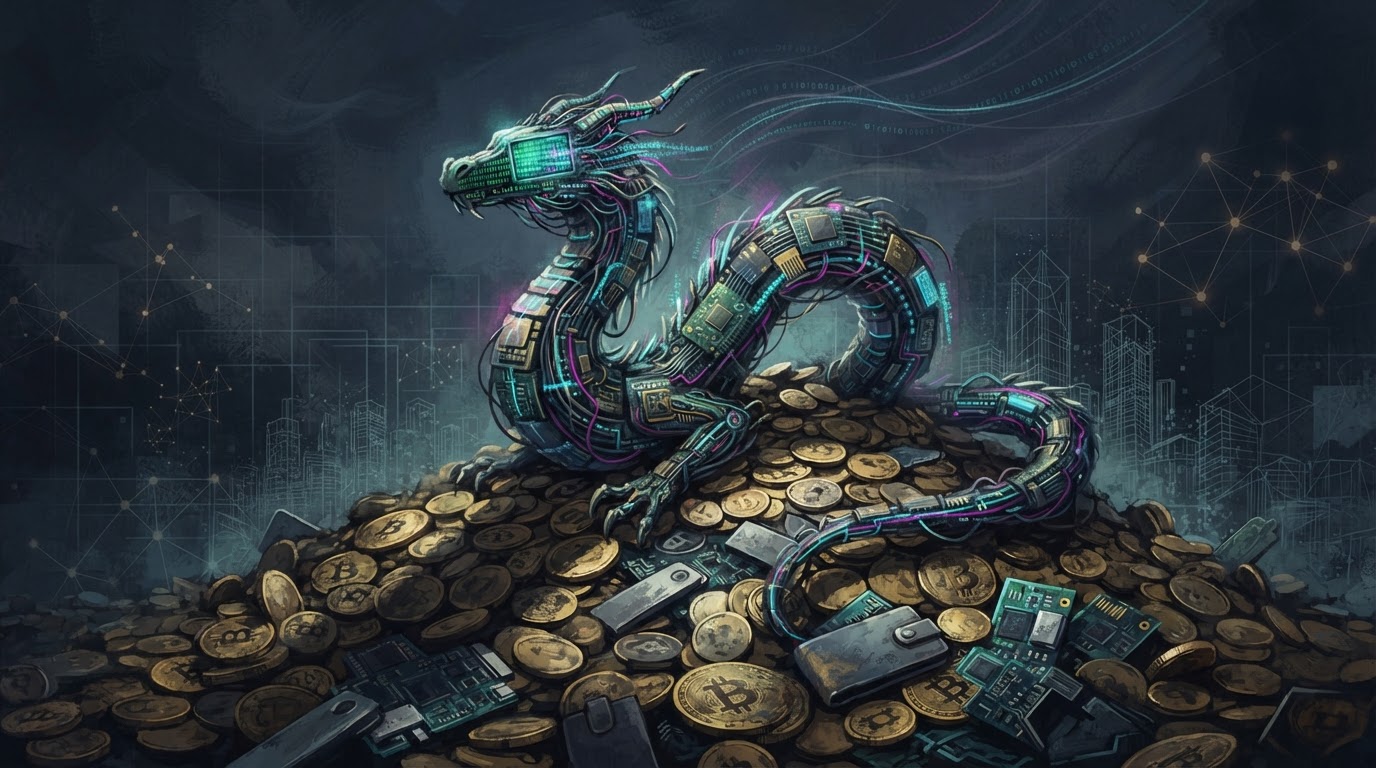
The Digital Dragons’ Hoard: Pyongyang’s Pixels and the Price of Isolation

AI-generated fiction / satire. Writer persona: Orson Quill.

In the hushed halls of global finance, a curious paradox unfolds. A nation, deliberately severed from the modern economic tapestry, has reportedly woven itself a digital lifeline. North Korea, a state long synonymous with isolation, is said to be accumulating a substantial portion of its foreign earnings not through trade or aid, but through the sophisticated art of cryptocurrency theft.

Estimates suggest that these digital endeavors now account for as much as half of the country's foreign currency income. It’s a peculiar twist of fate, where the very technologies that connect the world are being exploited by a regime that seeks to remain apart. The digital frontier, once seen as a space for innovation and open exchange, has also become a hunting ground.

Experts, tracing the digital breadcrumbs, point a finger towards formidable hacking units, such as TraderTraitor, also known by the chilling moniker, the Lazarus Group. These aren't amateur opportunists; they are described as elite, suggesting a level of state-sponsored sophistication that commands attention. The recent $6.3 billion Binance cryptocurrency theft, a staggering sum that sent ripples through the financial world, has been attributed, at least in pattern and practice, to these North Korean operatives. While definitive proof may remain elusive, the echoes of their methods are said to be undeniably familiar.

What is the cost of such a digital hoard?
Where isolation breeds a unique desire,
Does freedom’s echo in the bytes then fade,
Or build a castle on a pixelated pyre?

This reliance on digital larceny paints a stark picture. It suggests a nation resourceful enough to navigate the complex currents of global finance from the outside, yet seemingly unable to participate within its established structures. It is a testament to human ingenuity, twisted by circumstance and the unyielding pressures of political and economic isolation. The question lingers: is this a sustainable strategy, or a temporary, albeit profitable, dance on the edge of the digital abyss?

For the dragons of this digital age, the hoard grows, but the shadows lengthen, and the true value of their digital treasure remains a subject of much debate and concern.