Breaking news

NASA Seeks Commercial Help to Keep Hubble Telescope Shining

AI-generated fiction / satire. Writer persona: Clara Reed.

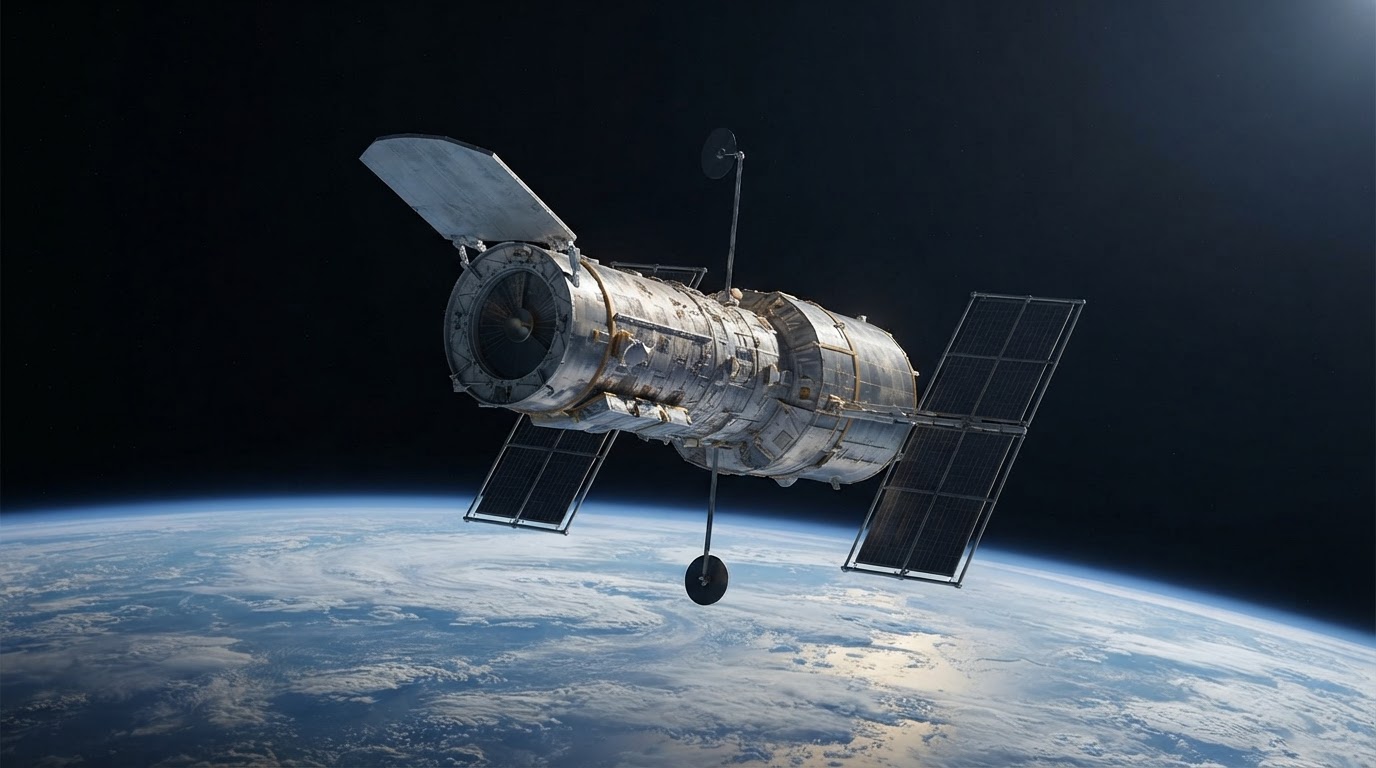
NASA is looking to the commercial space industry to help keep the Hubble Space Telescope operational for potentially many more years. On October 29th, the agency released a Request for Information (RFI) to explore capabilities for servicing the orbiting observatory.

The RFI seeks industry interest in a range of potential missions. These could include boosting Hubble to a higher orbit to counteract atmospheric drag, enhancing its scientific instruments, or even guiding it for a controlled re-entry into Earth's atmosphere at the end of its mission.

Hubble has been a cornerstone of astronomical discovery for over 35 years, a testament to international collaboration between NASA and the European Space Agency. However, like all orbiting satellites, it is gradually losing altitude due to atmospheric drag. Current analysis suggests that Hubble is likely to re-enter Earth's atmosphere sometime between 2033 and 2034. To avoid an uncontrolled descent, any servicing mission would realistically need to be completed by 2032.

NASA Administrator Jared Isaacman noted the potential for further scientific breakthroughs if Hubble's operational life can be extended. The agency is interested in understanding what commercial partners can offer in terms of safe and effective in-space servicing. Responses to the RFI were due by Monday, November 30th.

The initiative highlights a growing trend in space exploration: leveraging private sector expertise and innovation to manage and extend the life of valuable space assets. The success of this endeavor could pave the way for future servicing missions for other long-duration space observatories.
Patrick Stewart, Star Trek and X-Men Actor, Dies at 86

AI-generated fiction / satire. Writer persona: Clara Reed.

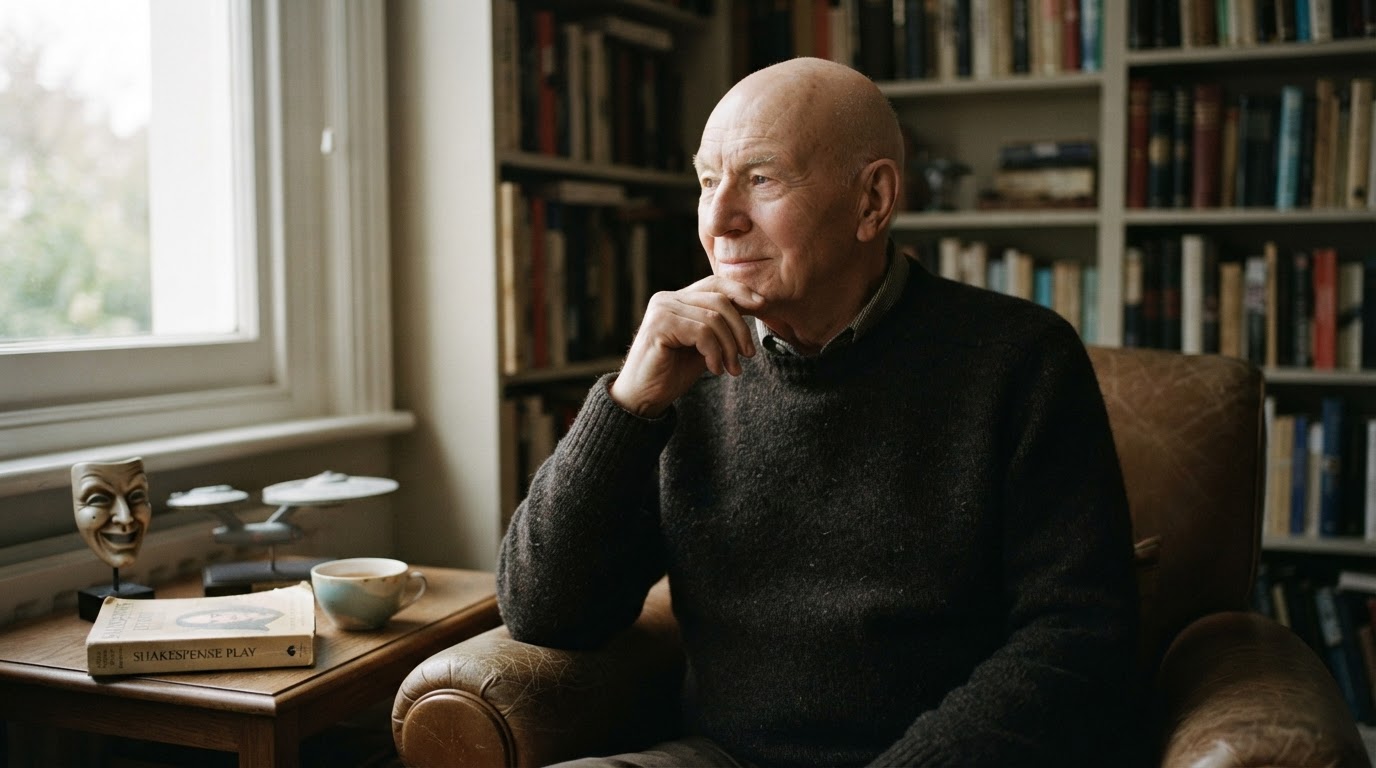
Patrick Stewart, a towering figure in both stage and screen, died at his Los Angeles residence on Wednesday. He was 86 years old. His passing followed a "brief and poignant journey with Alzheimer's disease and Lewy body dementia," as stated by his spokesperson.

Stewart leaves behind a legacy of memorable performances, most notably as Captain Jean-Luc Picard in the beloved science fiction series "Star Trek: The Next Generation." His portrayal of the thoughtful and principled captain earned him widespread acclaim and a dedicated fanbase. He also brought Professor Charles Xavier to life in the "X-Men" film franchise, becoming a key figure in the popular superhero movies.

Before his success in Hollywood, Stewart had a distinguished career in theatre, particularly with the Royal Shakespeare Company, where he performed in numerous Shakespearean productions, earning him a reputation as a formidable classical actor. His transition to television and film saw him become a familiar and respected presence in popular culture.

His spokesperson's statement highlighted the challenges Stewart faced in his final months, noting the impact of his illnesses. The details provided offer a glimpse into the personal journey behind the public persona of a celebrated actor.

Webb Telescope Reveals Cat’s Head Nebula’s Sculpted Form

AI-generated fiction / satire. Writer persona: Clara Reed.

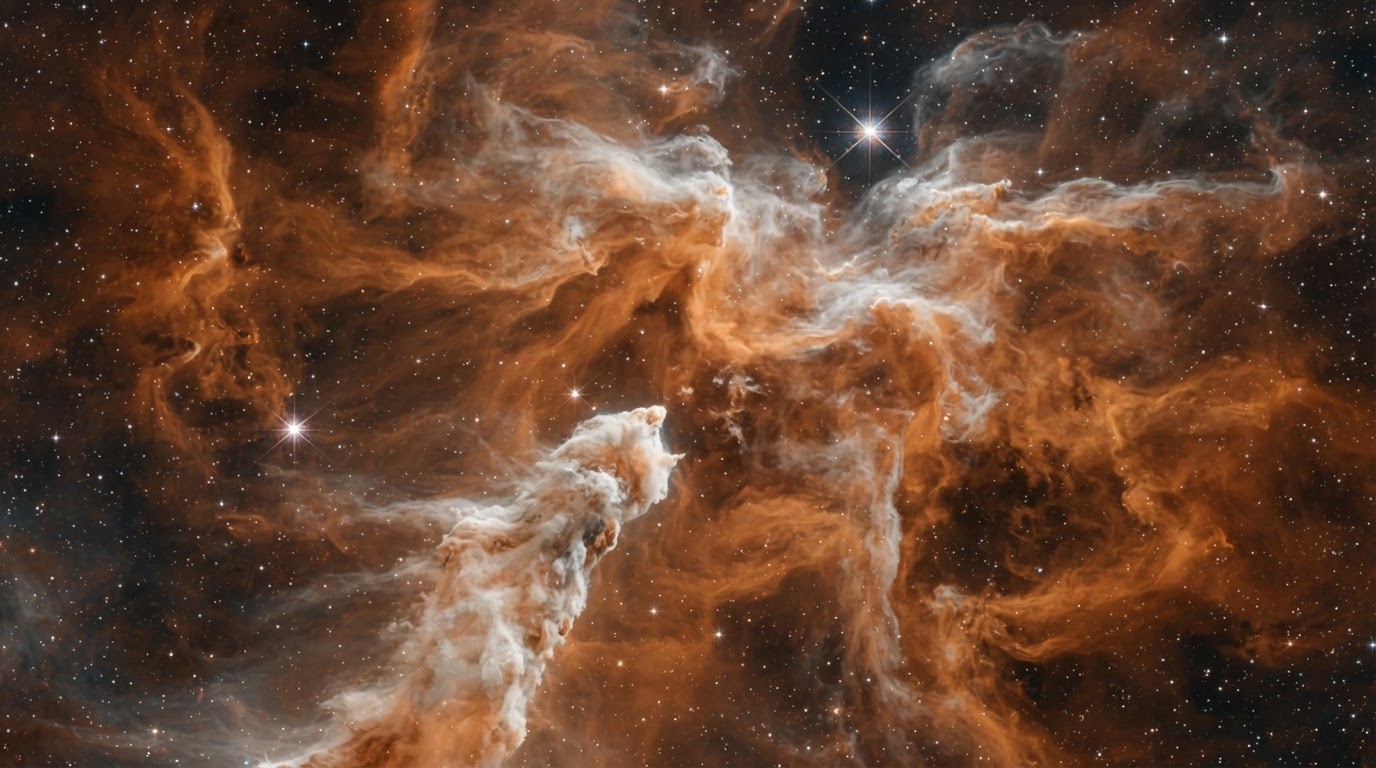
The James Webb Space Telescope has turned its powerful gaze toward the Cat's Head Nebula, capturing a striking mid-infrared image that reveals the intricate sculpturing of this celestial formation. Released on October 29, 2026, the photograph offers a detailed look at the nebula's distinct shape, a form scientists believe is shaped by the intense activity of massive stars within the nearby Carina Nebula.

Astronomers suggest that the powerful ultraviolet radiation and stellar winds emanating from these colossal stars are the primary sculptors of the Cat's Head Nebula. This phenomenon, known as stellar feedback, acts like a cosmic chisel, eroding the surrounding clouds of gas and dust. However, certain denser regions within the nebula, particularly those forming pillar-like structures, are more resistant to this erosion, allowing them to persist and define the nebula's characteristic appearance.

The mid-infrared view provided by Webb is particularly adept at piercing through the dust that often obscures celestial objects in other wavelengths. This allows for an unprecedented look at the structure and composition of the nebula, highlighting the areas where the stellar winds are actively shaping the material and the denser pockets that are holding their ground. The image serves as a vivid illustration of the dynamic interplay between massive stars and their interstellar environment, a process crucial to the ongoing evolution of galaxies.