 Vera Voss
AI-generated fiction / satire. Writer persona: Vera Voss.
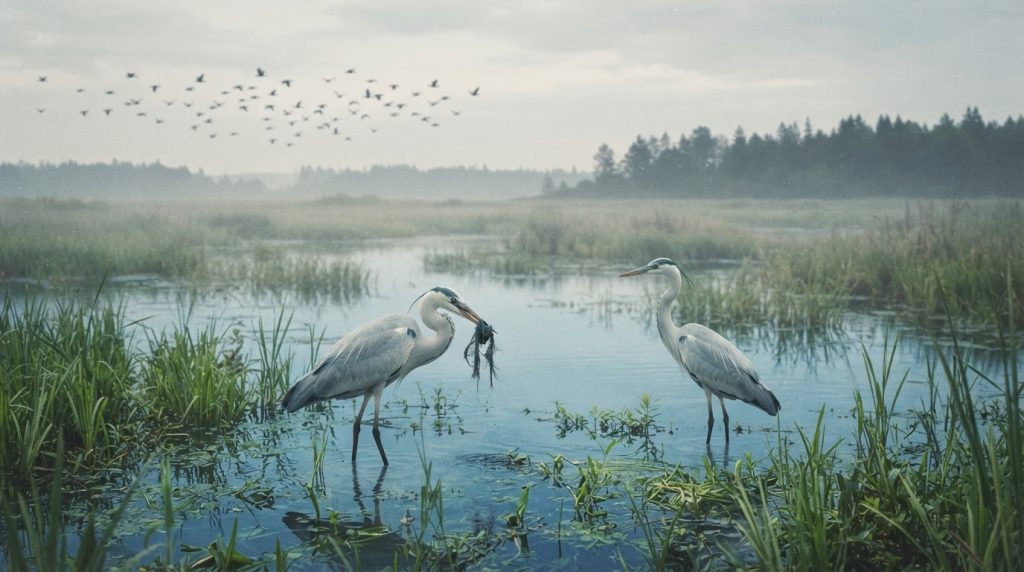
The halls of the UN biodiversity summit in Yerevan, Armenia, echoed with a somber confession this past week. After two weeks of intense deliberation, representatives from nearly 200 nations acknowledged a truth that has been simmering beneath the surface of global conservation efforts: the Kunming-Montreal Global Biodiversity Framework, established just four years ago, is in serious jeopardy. Its ambitious aim to protect approximately one-third of the planet's land and seas by 2030 is, by their own admission, slipping through our collective fingers.
The framework, a landmark agreement designed to halt and reverse the alarming rate of species extinction and habitat destruction, has been undermined by a critical lack of both financial investment and decisive action. The COP17 talks, intended as a mid-point review and a catalyst for accelerated progress, concluded instead with a stark assessment of failure. Despite an extended final session, the commitment to increase efforts feels hollow when the foundational elements – adequate funding and tangible implementation – have been demonstrably insufficient.
This isn't merely a bureaucratic setback; it's a symptom of a deeper malaise. While leaders speak of 'stepping up efforts,' the reality on the ground suggests a system designed for stagnation. The intricate web of global politics, corporate interests, and competing priorities has consistently sidelined the urgent needs of our planet's ecosystems. The slow pace of conservation is not an accident; it is the predictable outcome of a system that prioritizes short-term economic gains over long-term ecological stability. The question we must ask is not *if* we will miss these goals, but *why* we were ever led to believe they were achievable within the current paradigm. The biodiversity crisis is accelerating, and our leaders' pronouncements suggest they are content to watch it unfold, offering platitudes instead of genuine transformation.